Figurine 201: A Deep Dive into the Mother, Child, and Canine Digital Art Resource
In the realm of digital art assets and stock imagery, finding a resource that balances emotional resonance with technical versatility is often a challenge. Figurine 201 emerges as a distinct option for designers, crafters, and publishers seeking a specific narrative visual: a mother and child moment set against a background featuring a dog and a puppy. Unlike generic stock photos or abstract vector patterns, this asset offers a cohesive scene that captures familial warmth and companionship. For professionals aged 20 to 50 who are evaluating resources for projects ranging from scrapbooking to book cover design, understanding the specific utility and limitations of Figurine 201 is essential for making an informed decision.
Defining the Asset: Technical Specifications and Visual Composition
At its core, Figurine 201 is a high-resolution digital file formatted as a JPG. The dimensions are specified at 3600 x 2400 pixels, delivered at a standard 300 dpi (dots per inch). These specifications are critical when comparing it to other available resources in the market. While many free or low-cost stock images offer lower resolutions suitable only for web use, the 300 dpi standard positions Figurine 201 firmly in the category of print-ready assets. This resolution ensures that when scaled down for a CD cover or expanded for a poster, the image retains sharpness without pixelation.
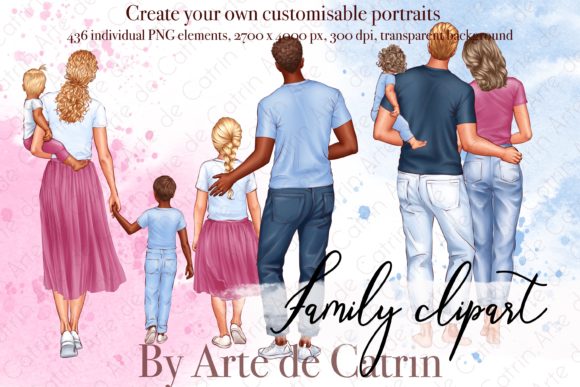
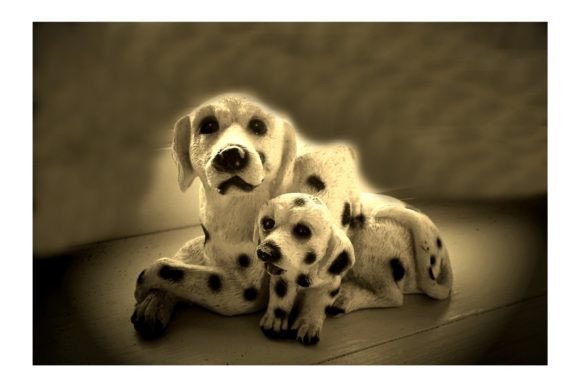
The visual composition centers on a tender interaction between a mother and child, accompanied by a dog and a puppy. This specific combination of subjects serves a dual purpose: it appeals to themes of family growth and the introduction of new life, whether human or animal. The "figurine" aspect of the name suggests a stylized or sculptural quality to the rendering, potentially offering a timeless aesthetic that differs from hyper-realistic photography. This stylistic choice can be a significant factor when deciding if the asset fits a brand's voice or a personal project's tone.
Comparing Formats: JPG vs. Vector and RAW Alternatives
When evaluating Figurine 201, it is necessary to compare its format against other common options like SVG vectors or RAW camera files. The JPG format is universally compatible, meaning it can be opened in almost any design software, from basic word processors to professional suites like Adobe Photoshop or Illustrator. However, this convenience comes with tradeoffs. As a raster image, Figurine 201 has a fixed resolution. If a designer needs to scale the image beyond its original dimensions significantly, quality degradation will occur. In contrast, vector-based alternatives allow for infinite scaling but often lack the depth and texture inherent in high-resolution raster images.
For most users, particularly those in scrapbooking, stationery design, or blog banner creation, the 3600 x 2400 dimension of Figurine 201 provides ample working space. It covers the requirements for A4 printing, standard greeting cards, and even large-format posters when printed at appropriate sizes. However, for fashion design requiring seamless pattern repeats or video game textures needing specific tileable formats, the static nature of this single JPG file might present limitations. Users must assess whether their project requires the flexibility of a vector file or the rich detail of a high-res raster image. In scenarios where detailed texture is paramount—such as a book cover where lighting and shadow play a crucial role—Figurine 201 often outperforms flat vector illustrations.
Evaluating Use Cases: Where Figurine 201 Excels
The versatility of Figurine 201 makes it a strong contender for a wide array of creative applications. Its primary strength lies in projects that require an immediate emotional connection. For instance, in the creation of invitations for baby showers or adoption announcements, the imagery of a mother, child, and pets creates a welcoming and inclusive atmosphere. Similarly, for scrapbookers documenting family milestones, this image serves as a perfect thematic backdrop that does not compete with text overlays due to its balanced composition.
In the publishing sector, Figurine 201 is well-suited for children's books, parenting guides, or lifestyle magazines. The presence of the dog and puppy adds a layer of relatability, appealing to pet owners who form a significant demographic in these markets. When used as a background for blog banners or social media headers, the high resolution ensures clarity across different devices. Furthermore, for artists creating CD and DVD covers, the figurative style allows for easy integration with typography, ensuring that titles remain legible against the busy yet harmonious background.
Designers working on clothing patterns may find value in cropping specific elements of the image. The distinct separation of the subjects allows for the isolation of the dog and puppy for standalone prints on t-shirts or tote bags. However, this requires manual editing skills, as the file is provided as a single composite image rather than layered elements.
Strengths and Tradeoffs in Professional Applications
- High Resolution: The 300 dpi standard ensures professional print quality, a key advantage over many web-optimized stock images.
- Emotional Depth: The specific subject matter resonates deeply with audiences interested in family, parenting, and pets, reducing the need for additional conceptualization.
- Format Compatibility: As a JPG, it integrates seamlessly into existing workflows without the need for specialized conversion tools.
- Tradeoff - Limited Editing Flexibility: Without layers, changing the background color or removing the puppy requires advanced photo manipulation skills.
- Tradeoff - Licensing Constraints: Users must verify the license terms regarding commercial use, especially for high-volume products like clothing lines.
Decision Factors: When to Choose Figurine 201 and When to Look Elsewhere
Determining whether Figurine 201 is the right resource depends heavily on the specific constraints of the project. It is the ideal choice when the goal is to convey warmth, nostalgia, and domestic harmony quickly and effectively. If a project demands a realistic photographic look that blends seamlessly with real-world environments, a photographer's stock photo might be superior. Conversely, if the project requires a cartoonish or minimalist aesthetic, a vector illustration would be more appropriate. Figurine 201 occupies a middle ground, offering a stylized realism that works well for artistic interpretations rather than documentary purposes.
Consider the timeline of your project. Sourcing a custom photograph or commissioning an illustrator can take weeks and incur significant costs. Figurine 201 offers an immediate solution, allowing designers to move rapidly from concept to execution. This speed is invaluable for time-sensitive tasks such as last-minute event invitations or urgent blog content updates. However, if uniqueness is the absolute priority and there is a risk of the same image appearing elsewhere, a custom commission remains the safer route.
Furthermore, consider the medium. For digital-only projects like website backgrounds or email newsletters, the file size of a 3600 x 2400 JPG might be larger than necessary, potentially slowing down load times. In these cases, resizing the image or using a compressed version is advisable. For physical products like posters, book covers, or printed stationery, the full resolution of Figurine 201 is a necessity, making it a superior choice to lower-resolution alternatives.
Practical Implementation Strategies
To maximize the utility of Figurine 201, designers should employ strategies that respect the image's integrity while adapting it to various needs. When using the image for text-heavy layouts, such as invitations or book covers, utilizing the negative space within the composition is crucial. Placing text over the softer background areas rather than the detailed figures ensures readability. For pattern design, the image can be tiled, though careful attention must be paid to the edges to ensure a seamless transition, which may require masking techniques.
In video game design, where assets often need to be cut out from their backgrounds, the distinct outlines of the mother, child, and animals in Figurine 201 facilitate easier selection and extraction. This makes it a viable starting point for character sprites or environmental storytelling elements, provided the license permits such usage. For fashion design, the warm tones and organic shapes of the image translate well to fabric prints, adding a touch of narrative to apparel that feels both personal and accessible.
Conclusion: Balancing Versatility and Specificity
Figurine 201 represents a robust option for creatives seeking a high-quality, emotionally resonant image that bridges the gap between photography and illustration. Its technical specifications make it suitable for a broad spectrum of applications, from intimate scrapbooking projects to commercial publishing endeavors. However, like any resource, it is not a universal solution. Its effectiveness relies on the user's ability to align the image's specific themes and format with their project goals. By weighing the benefits of its high resolution and thematic richness against the limitations of its static format, designers can determine if Figurine 201 is the optimal tool for their next creative venture. Ultimately, the decision rests on balancing the need for speed and cost-efficiency with the desire for unique, tailored visual storytelling.