Watercolor Flowers Clipart Pansies PNG: A Guide to Choosing and Using High-Quality Digital Assets
There is a distinct charm in the soft, bleeding edges of hand-painted watercolor that digital vectors simply cannot replicate. When you search for Watercolor Flowers Clipart Pansies PNG, you are likely looking for that specific organic texture to elevate a wedding invitation, a blog post, or a handmade greeting card. These images offer a bridge between traditional artistry and modern digital convenience. However, not all clipart sets are created equal. The difference between a professional-looking design and one that looks cheap often comes down to understanding the technical specifications and intended use of the files you download.
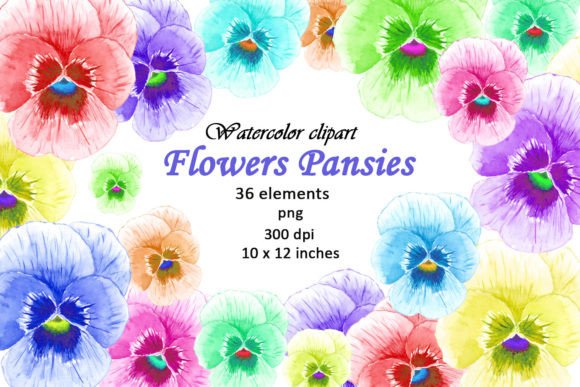
Many creators rush into purchasing or downloading these assets without verifying the resolution or color profile, only to find the images pixelated when printed or washed out on screen. This guide will walk you through what to look for, common pitfalls to avoid, and how to maximize the value of a high-quality set like the 36-element collection featuring pansies and other floral elements.
Understanding the Value of Hand-Painted Elements
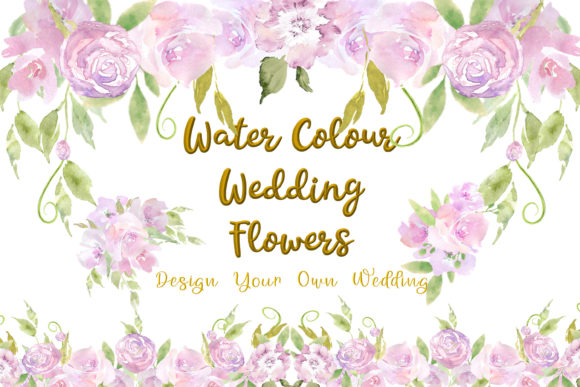
When you select Watercolor Flowers Clipart Pansies PNG, you are choosing an aesthetic that implies warmth, elegance, and nature. Unlike flat vector graphics, hand-painted clipart captures the nuance of brushstrokes, pigment saturation, and paper grain. This makes them particularly effective for wedding stationary, where a personal touch is paramount, or for holiday designs that require a softer, more inviting feel than bold geometric shapes provide.
The appeal lies in versatility. A single set containing 36 individual elements allows you to create complex compositions. You can layer pansies with quotes for a blog header, scatter them across a fabric pattern, or use them as photo overlays for scrapbooking. The key is recognizing that these are digital representations of physical art, meaning they carry the same potential for beauty—and the same risks for poor quality—as the original painting.
Common Mistakes That Ruin Your Design Projects
One of the most frequent errors designers make is ignoring the resolution requirements of their final output. Many free or low-cost clipart sites offer images at 72 DPI (dots per inch), which is acceptable for small web icons but disastrous for print. If you attempt to print a low-resolution image on a 10x12 inch invitation, the result will be blurry and pixelated, undermining the entire project.
A second common misunderstanding involves the file format. While JPEGs are common, they do not support transparency. If you download a flower with a white background box around it, you will struggle to place it over a colored background without awkward cropping. Always ensure you are working with PNG files that feature transparent backgrounds, allowing the watercolor petals to blend seamlessly with your layout.
Another overlooked detail is the color mode. Web design requires RGB (Red, Green, Blue) colors, while professional printing relies on CMYK (Cyan, Magenta, Yellow, Key/Black). Some clipart sets are optimized only for screens. If you use an RGB-heavy watercolor image for offset printing without conversion, the vibrant blues and greens may shift to dull, muddy tones once printed. Understanding this distinction is crucial for maintaining color fidelity.
How Poor Choices Impact Your Results
The consequences of using subpar assets extend beyond just visual blurriness. In a business context, such as creating logos or marketing materials, low-quality imagery signals unprofessionalism. It suggests a lack of attention to detail, which can erode trust with potential clients. For hobbyists, the frustration of spending hours designing a project only to have the final print fail is a significant waste of time and money.
Furthermore, using images with incorrect licensing or low resolution can lead to legal issues or the need to restart a project entirely. If you plan to use these graphics for commercial purposes, such as selling invitations or creating patterns for fabric printing, the quality must hold up under scrutiny. A pixelated pansy on a mass-produced poster looks amateurish and can damage a brand's reputation.
Practical Advice for Selecting the Right Set
To avoid these pitfalls, start by checking the technical specifications before you buy or download. A high-quality set should explicitly state its dimensions and DPI. Look for files that are approximately 3000 x 3600 pixels or larger, with a resolution of 300 dots per inch. This ensures that even if you scale the image up to 10x12 inches for a large poster or invitation, the details remain crisp and the watercolor texture stays intact.
Verify that the download includes individual files rather than a single composite image. Having 36 separate elements gives you the flexibility to arrange flowers exactly where you need them, rotate them, or resize them independently. This modularity is essential for creating unique layouts for scrapbooking, decoupage, or web design patterns.
Also, confirm the delivery method. Since these are digital products, you should receive an instant download link immediately after purchase. There should be no waiting for shipping, and no physical product will be sent. This immediacy allows you to test the files right away, ensuring they meet your needs before committing to a larger project.
What to Check Before You Begin
Before integrating Watercolor Flowers Clipart Pansies PNG into your workflow, perform a quick "zoom test." Open the image in your editing software and zoom in to 100%. Inspect the edges of the petals and the textural details. If you see jagged lines or blocky pixels, the file is not high enough resolution for your intended use.
Check the license agreement carefully. Even if the clipart is affordable or free, some licenses restrict commercial use or limit the number of items you can produce. Ensure the license covers your specific needs, whether that is for a personal birthday card, a blog post, or a line of commercial greeting cards.
Finally, consider the color palette. Watercolor pansies come in various shades, from deep purples to soft yellows. Ensure the tones in the clipart set match the mood of your project. A dark, moody floral might not suit a bright, cheerful holiday card, while pastel blooms could get lost on a dark background. Preview the images against your background colors to ensure they pop or blend as intended.
Maximizing Versatility Across Platforms
Once you have secured a high-quality set, the possibilities are vast. These elements are ideal for scheduler blogs, where you can add seasonal touches to monthly calendars. They work beautifully for digital and physical scrapbooking projects, adding depth to photos and journaling spots. For entrepreneurs, they are perfect for creating custom packaging, postcards with ads, or photo overlays that give a cohesive look to social media feeds.
The ability to print on any surface—from paper and fabric to mugs and tote bags—makes these assets a cost-effective solution for small business owners and DIY enthusiasts alike. By avoiding the common mistakes of low resolution and poor file management, you ensure that every project, from a simple quote graphic to a complex wedding suite, reflects the care and quality you intend to convey.